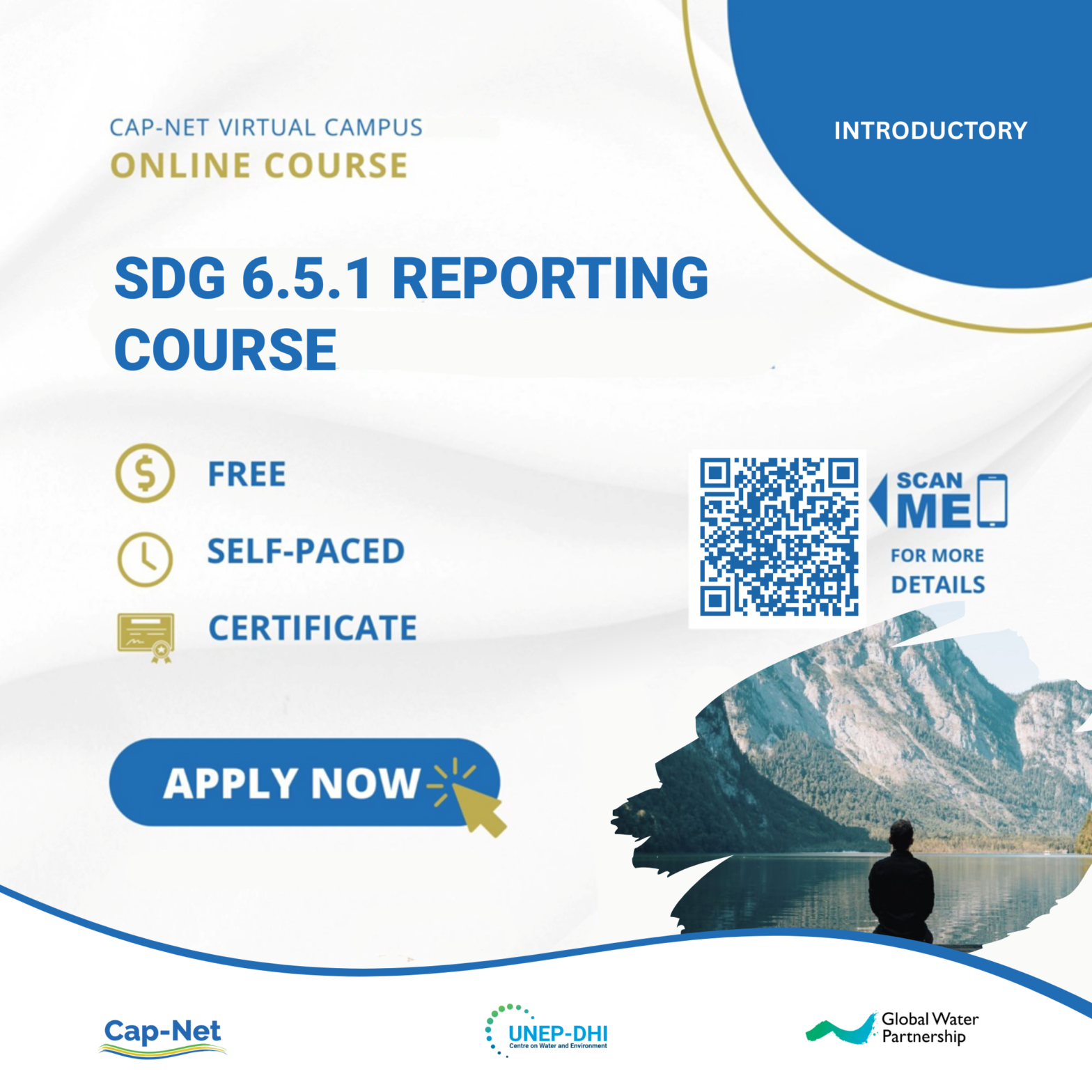
The SDG 6 IWRM Support Programme has developed a freely accessible SDG 6.5.1 Reporting Training. The course is aimed at facilitators interested in organising a multi-stakeholder consultation process on SDG indicator 6.5.1.
Author Archives: pagr
World Water Day 2026 highlights the critical relationship between water, women, and gender equality
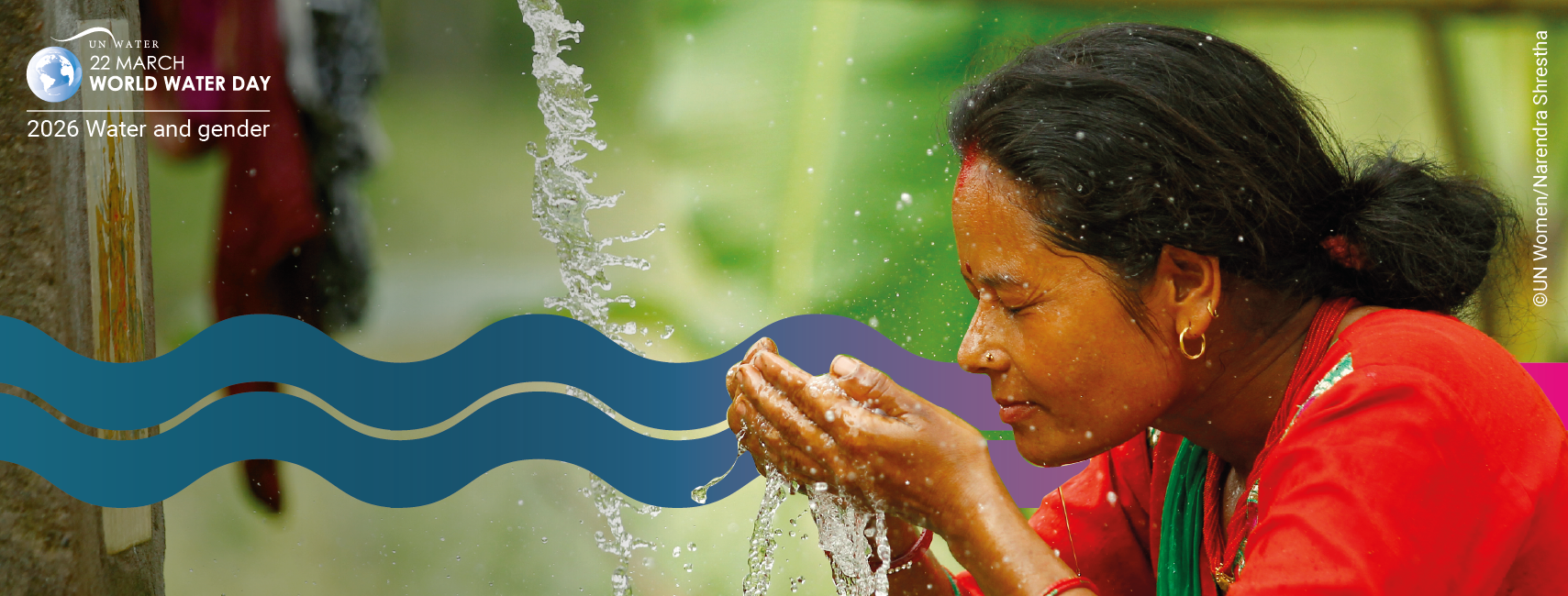
On 22 March 2026, people around the world mark the World Water Day 2026 under the theme ‘Water and Gender’. This global celebration day highlights the critical relationship between water, women, and gender equality, which is also reflected in the United Nations World Water Development Report 2026: Water for All People: Equal Rights and Opportunities.
The United Nations World Water Development Report 2026
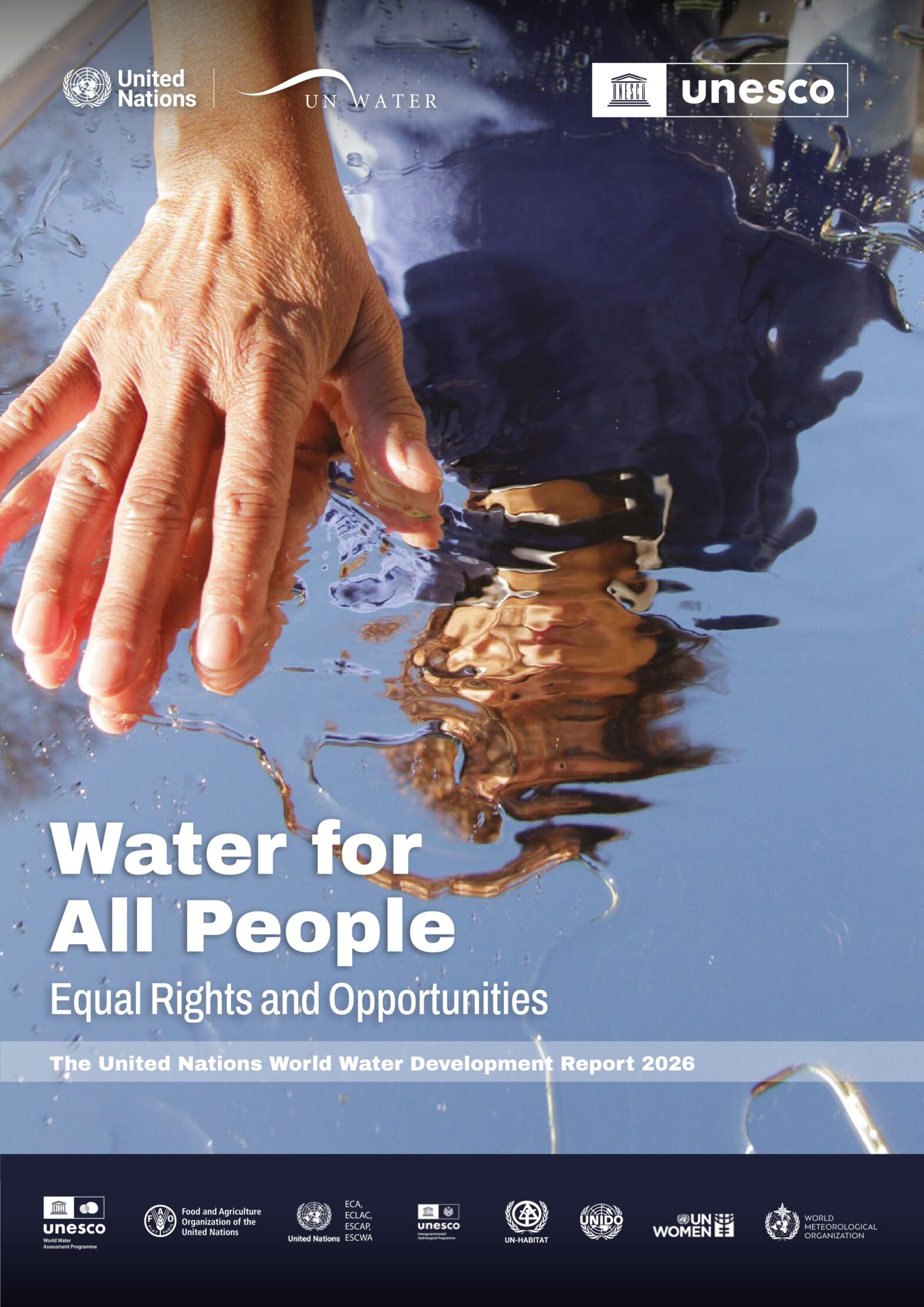
The United Nations World Water Development Report 2026: Water for All People – Equal Rights and Opportunities outlines practical steps to close gender gaps and advance progress towards sustainable water management and the Sustainable Development Goals.
Strengthening Climate Information and Multi-Hazard Early Warning Systems for Increased Resilience in Azerbaijan
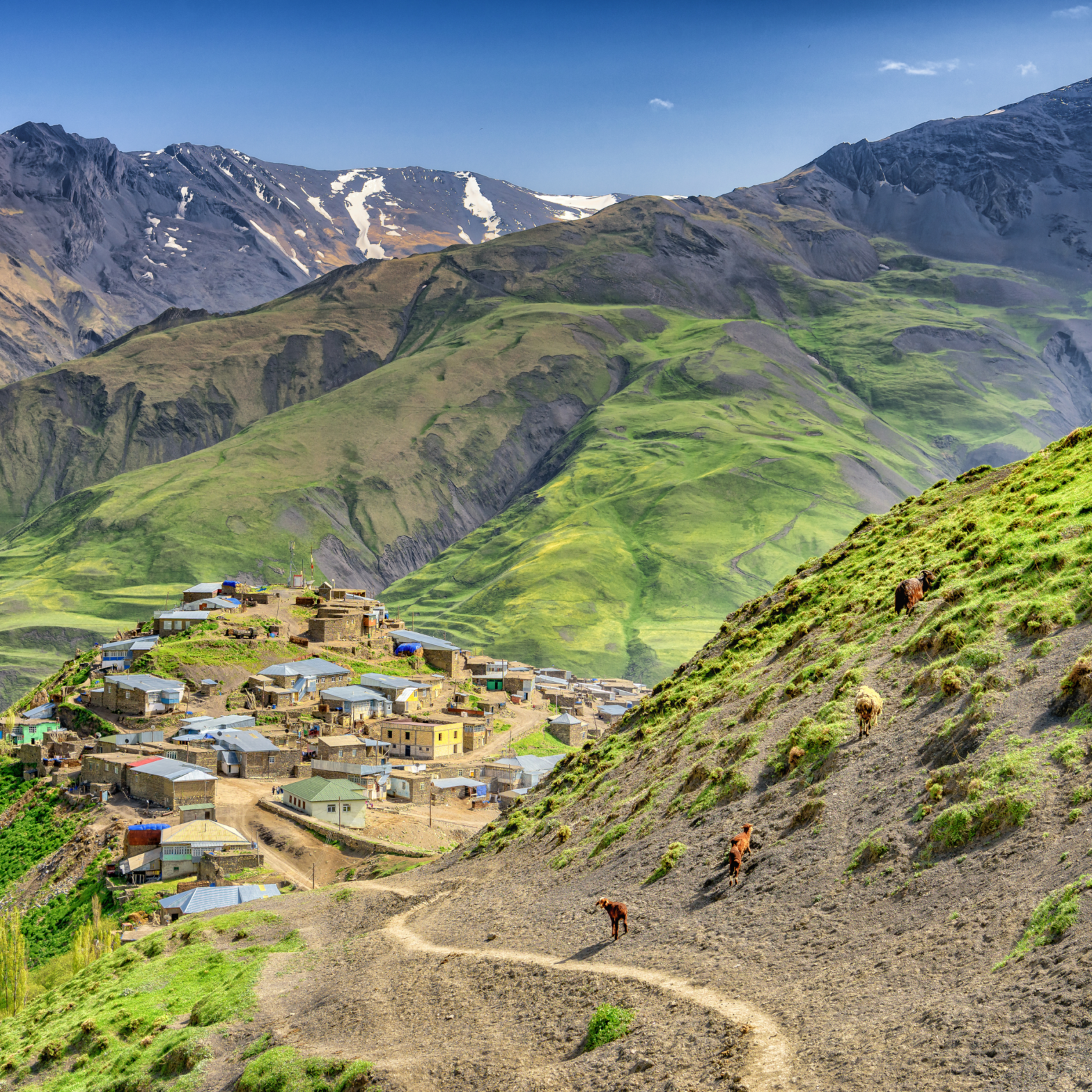
UNEP-DHI provides technical assistance to strengthening climate information and multi-hazard early warning systems for increased resilience in Azerbaijan. The goal of this project is to establish capacity in Azerbaijan to make available reliable climate information services and a people-centered impact-based multi-hazard early warning system (IB-MHEWS).
International Women’s Day 2026 calls for Rights, Justice, and Action
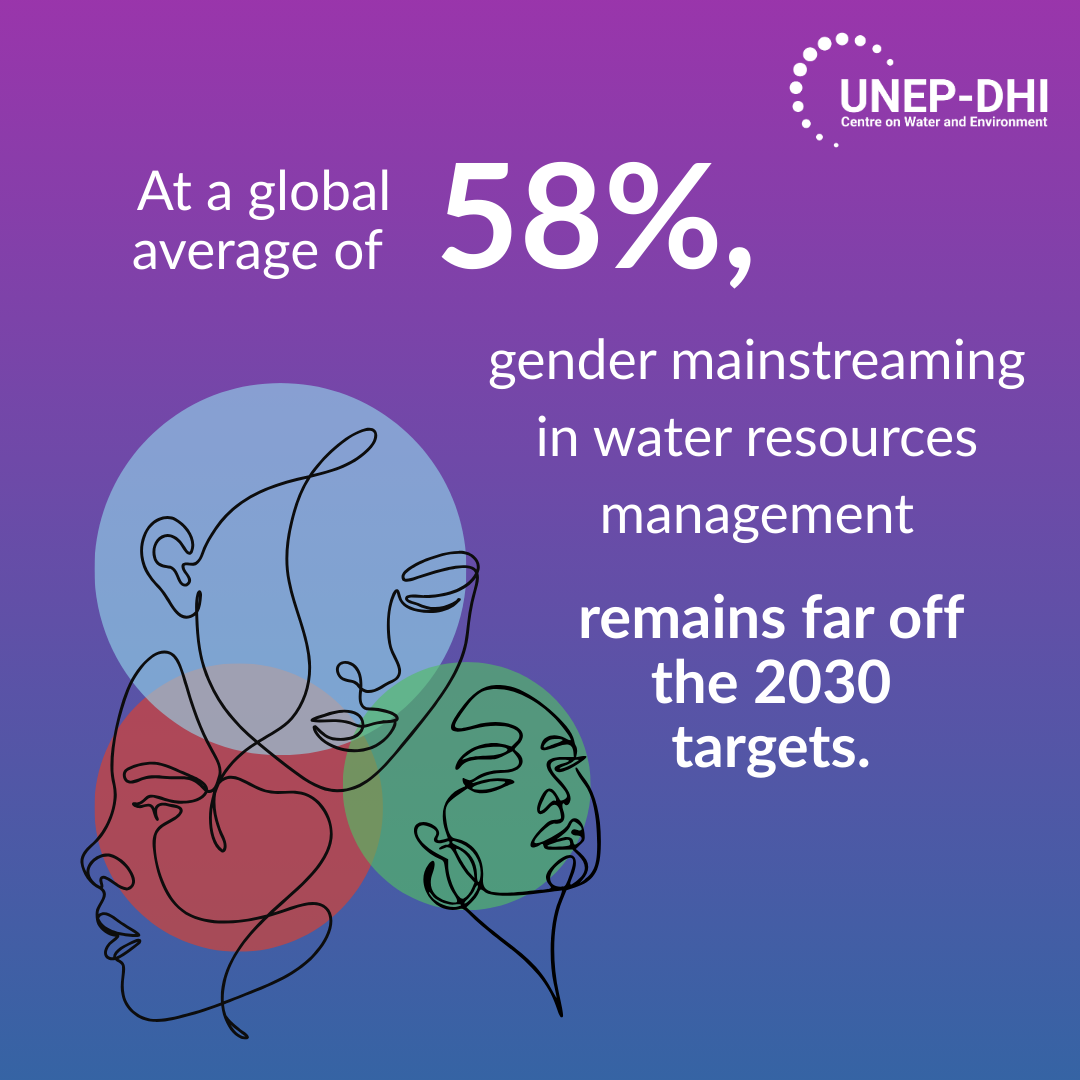
On March 8, people around the world celebrate International Women’s Day 2026 (IWD 2026) under the theme ‘Rights. Justice. Action. For ALL Women and Girls’. The global call to action urges governments, institutions, and communities to dismantle the structural barriers that continue to deny women and girls equal rights and participation – including in decisions about how the world’s water resources are governed.
Launch of the 2026 SDG 6.5.1 Data Drive
The fourth round of global reporting on SDG 6 indicators is now underway. As part of UN Water’s Integrated Monitoring Initiative for SDG 6 (IMI-SDG6), the UNEP-DHI Centre has shared all materials for reporting on SDG indicator 6.5.1 with the Focal Points of UN Member States in the first week of March.
New regional report: The 2024 Africa Water and Sanitation Sector Monitoring Report
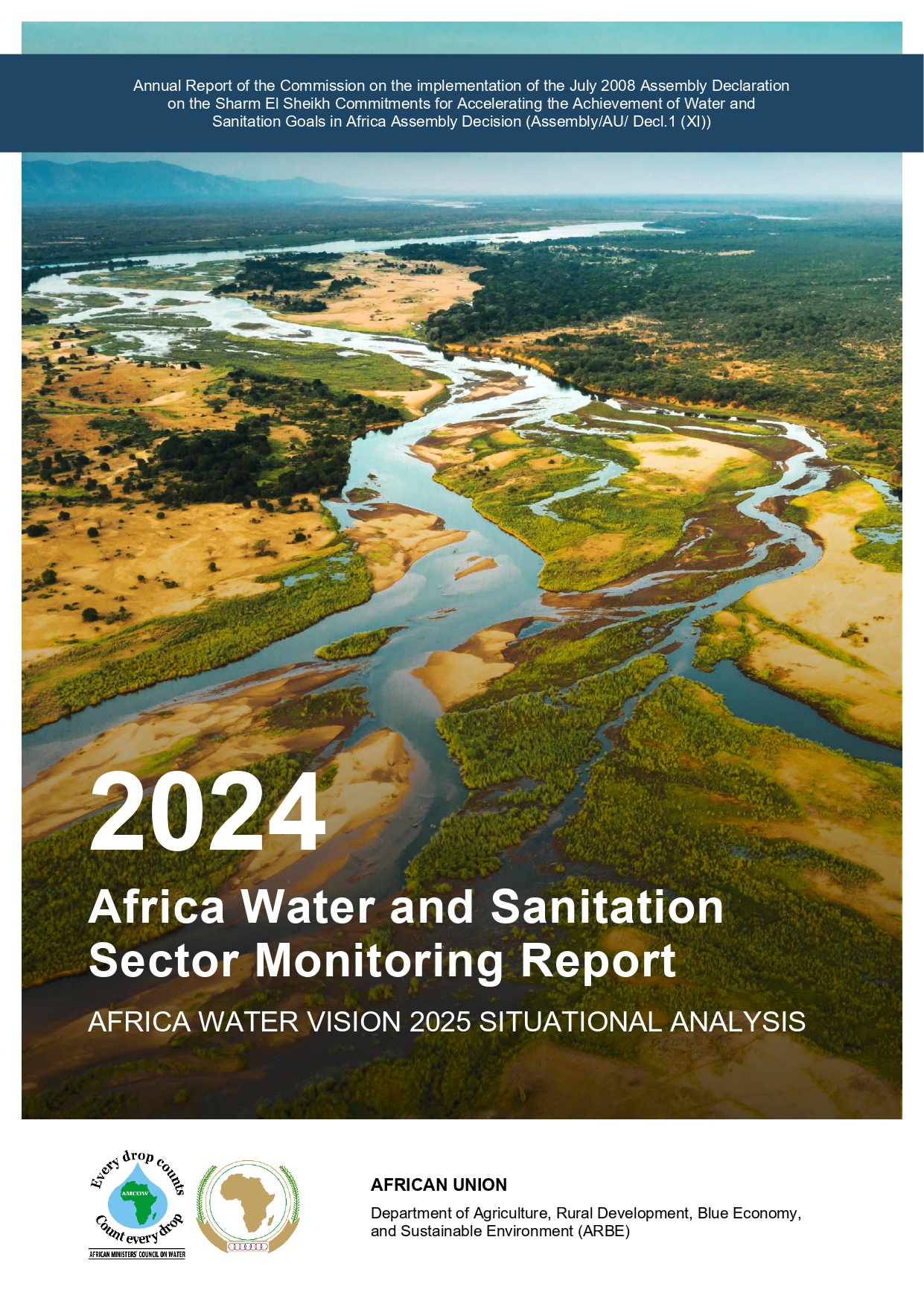
The African Ministers’ Council on Water of the African Union has launched the 2024 Africa Water and Sanitation Sector Monitoring Report. It reviews Africa’s progress on water and sanitation under the Sharm El Sheikh Commitments, Africa Water Vision 2025 and SDG 6.
The 2024 Africa Water and Sanitation Sector Monitoring Report
The 2024 WASSMO report reviews Africa’s progress on water and sanitation. Based on contributions from 45 AU Member States, it integrates data from UNEP DHI’s SDG 6.5.1 monitoring initiative and highlights key recommendations to guide the transition toward Africa Water Vision 2063.
International Day of Women and Girls in Science 2026: Interview Soledad Berbel Roman

On the International Day of Women and Girls in Science, we spoke with Soledad Berbel Roman, who shares her thoughts on what inspires her work and how we can open more pathways for women and girls in water science.
CREATES – Climate Resilient Eastern African Transboundary Water Management for Environmental Sustainability

UNEP-DHI provides technical assistance to strengthen climate-resilient transboundary water governance and management in Eastern Africa. The project is funded by the Danish Foreign Ministry (DANIDA) and is implemented in partnership with UN Environment Programme and IUCN.
IUCN and UNEP launch the CREATES programme to strengthen climate-resilient transboundary water governance and management in Eastern Africa
With support from Denmark, IUCN, UNEP and the UNEP-DHI Centre, in collaboration with the governments of Kenya, Tanzania and Uganda have launched the Climate Resilient Eastern African Transboundary Water Management for Environmental Sustainability (CREATES) programme. This is a new initiative focused on strengthening climate-resilient and cooperative water management across Eastern Africa.
The first glimpse of a transformational approach to global wetland monitoring
On World Wetlands Day 2026, Global Wetland Watch is sharing a preview of its data, designed to make wetlands more visible, better understood, and easier to track over time, from local to global scales.