International Day of Women and Girls in Science 2026: Interview Soledad Berbel Roman
- February 11, 2026
Global progress on gender mainstreaming in water resources management is uneven, slow, and off track. Data from the 2025 Policy Note on Mainstreaming Gender Equality in Water Resources Management shows that many countries are still far from achieving meaningful inclusion. This makes it even more important to recognize the women who are helping drive more equitable and sustainable water management.
The International Day of Women and Girls in Science highlights the vital role women play in advancing scientific knowledge and delivering innovative solutions to global challenges. It is a moment to showcase the many paths that can lead women into science. In this spirit, we sat down with Soledad Berbel Roman to learn more about her career journey.
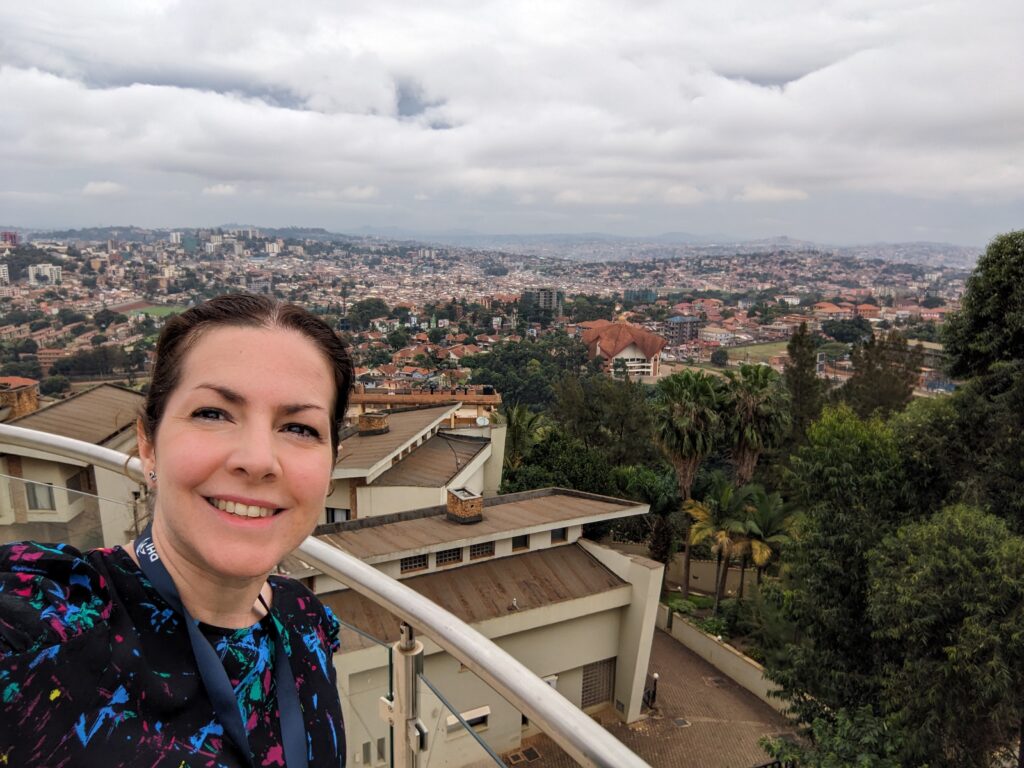
Soledad is a Chartered Civil and Water Resources Engineer with a Master’s in Hydro‑Informatics and an MEng in Civil Engineering, complemented by advanced training in data analytics in the London School of Economics. As a Senior Project Manager at DHI, she leads complex, climate‑resilient and innovation‑driven projects that bring science, technology and practical solutions together to protect communities and water systems worldwide. Her career has been shaped by a passion for using engineering, research and global collaboration to create a more sustainable and inclusive future for people and the planet.
Q1: What originally sparked your interest in the water field?
My interest in the water field began very early, when I was a little girl growing up in Andalusia in southern Spain during the severe droughts of 1991–1995. Experiencing water scarcity firsthand and seeing how deeply it shaped my family’s daily routines and the resilience of our community, left a lasting impression on me. Those childhood years quietly planted the seed of wanting to help others facing similar challenges, and as I grew older, that early experience grew into a commitment to use science and engineering to support communities and protect people from the escalating impacts of climate change.
Q2: What part of your work today gives you the strongest sense of purpose?
What gives me the strongest sense of purpose today is using science to support communities in some of the world’s most climate‑vulnerable countries. Through projects funded by major international donors, I work with partners in Afghanistan, Kyrgyzstan, Southeast Asia and across Africa to strengthen resilience to droughts and floods. One project I’m particularly proud of is the NextGen Drought Risk Finance Platform, a tool that brings together satellite‑derived drought indicators to help countries design robust drought indices, analyze multi‑source evidence and simulate payout mechanisms that can enhance preparedness and financial resilience.
I also contributed to the Nile Basin River Flow Forecasting System, designed to improve basin‑wide water resources management. As part of this work, I travelled to Uganda in 2025 to train national operators and staff from the Nile Basin Initiative. That experience was especially meaningful – it reminded me how powerful it is to stand side by side with the people who will rely on these systems every day, to understand their needs, and to see firsthand how these tools can strengthen communities and improve lives.
Q3: In your opinion, what can help women and girls access scientific and technical careers within the water and environment sector?
I believe one of the most powerful ways to help women and girls enter scientific and technical careers is by ensuring they can see role models who look like them. You cannot be what you cannot see. When girls see women thriving at all stages of their careers from early‑career scientists to senior engineers and global leaders in the water sector it expands their sense of what is possible. That is why it’s essential to support women throughout their professional journeys, so the next generation grows up with visible examples of success, confidence and leadership in STEM fields.
Q4: If you could give one message to girls who are curious about a scientific career, what would it be?
My message to young girls is that there has never been a better time to step into the water sector. At a moment when the world is facing a climate crisis, a biodiversity crisis, and even a crisis of human values, water remains the thread that connects it all. Our health, our ecosystems, our economies …everything depends on how we protect and manage this essential resource. By choosing a career in science and water, you are not just learning a useful skill; you are becoming part of the solution, helping safeguard communities, restore nature, and shape a more resilient and sustainable planet.
Read more about successful examples from various countries on mainstreaming gender equality in water resources management:

UNEP DHI Partnership – Centre on Water and Environment
Agern Allé 5, 2970 Denmark
Tel: +45 45169200